



From Backyard Swings to Inclusive Playgrounds: A Journey Toward Sensory-Aware Design [Sponsored By LSI]
A Childhood Steeped in Structure, Routine, and Connection
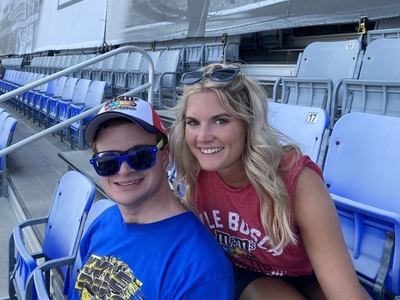
Growing up, things in my house looked a little different than those of my friends. Instead of refrigerator art or chore charts, our home was filled with binders of picture symbols for communication, laminated visual schedules, and shelves overflowing with toy garbage trucks. These tools helped my brother Derek, who is autistic, navigate the world around him with more predictability and ease.
The garbage trucks eventually became K'NEX and then computer games, but one thing that never changed was the structured environment. Routines were our family's heartbeat. After school, my mom and Derek would show us the new pictures added to his communication book and demonstrate the sign that matched. Over time, Derek began using verbal language, and those afternoons shifted outside to our swing set in the backyard. That’s where my brother came alive—where he was the most verbal, the most joyful.

It was around that time that I wanted to learn how to ride a bike. So did Derek. Thus began our own personalized version of occupational therapy. Our new after-school routine included sensory-rich outdoor activities that I would later come to understand as working on bilateral coordination and motor planning. Through this experience, I began to understand not just that Derek’s brain worked differently than mine, but why—and how beautiful those differences could be. I devoured every book and resource I could find on autism, and I began to advocate for my brother in ways big and small.
Today, Derek is thriving. His unique neurological system has gifted him with tremendous attention to detail and an excellent memory--skills he’s used to pursue a successful career in the culinary industry. And I’m now an occupational therapist, drawn to this field not only by my brother’s journey but by the joy of helping other kids find their place in the world, just like he did on that backyard swing.
From Personal Experience to Professional Passion
In my career as an occupational therapist, I’ve worked in both outpatient clinics and school settings, helping children with a wide range of diagnoses acquire the skills they need to thrive. More recently, I’ve been fortunate to work with Landscape Structures, a commercial playground manufacturer that specializes in inclusive play, to help shape outdoor play environments to be inclusive of all abilities.
This work—fusing my personal lens as Derek’s sister and my professional lens as an OT—has been incredibly rewarding. I think back to how much joy Derek found in our backyard pool or on the swing set, and how that joy evaporated when we went to the local park or pool. Public spaces often overwhelmed him with too much sensory input, and family outings would quickly become stressful and short-lived.
But now? Things are changing. Designers and communities are embracing neurodivergent-affirming practices and creating environments that support everyone’s sensory system, not just that of a few. We’re finally recognizing that it’s not the child who needs to change, but the environment.
Designing Inclusive Playgrounds: It Starts with the Senses
When someone recently asked me how designing inclusive environments affects children's learning and development, my answer was immediate: profoundly. These spaces lead to more social connections, more play opportunities, and more physical activity. And play, after all, is a child’s most important job.
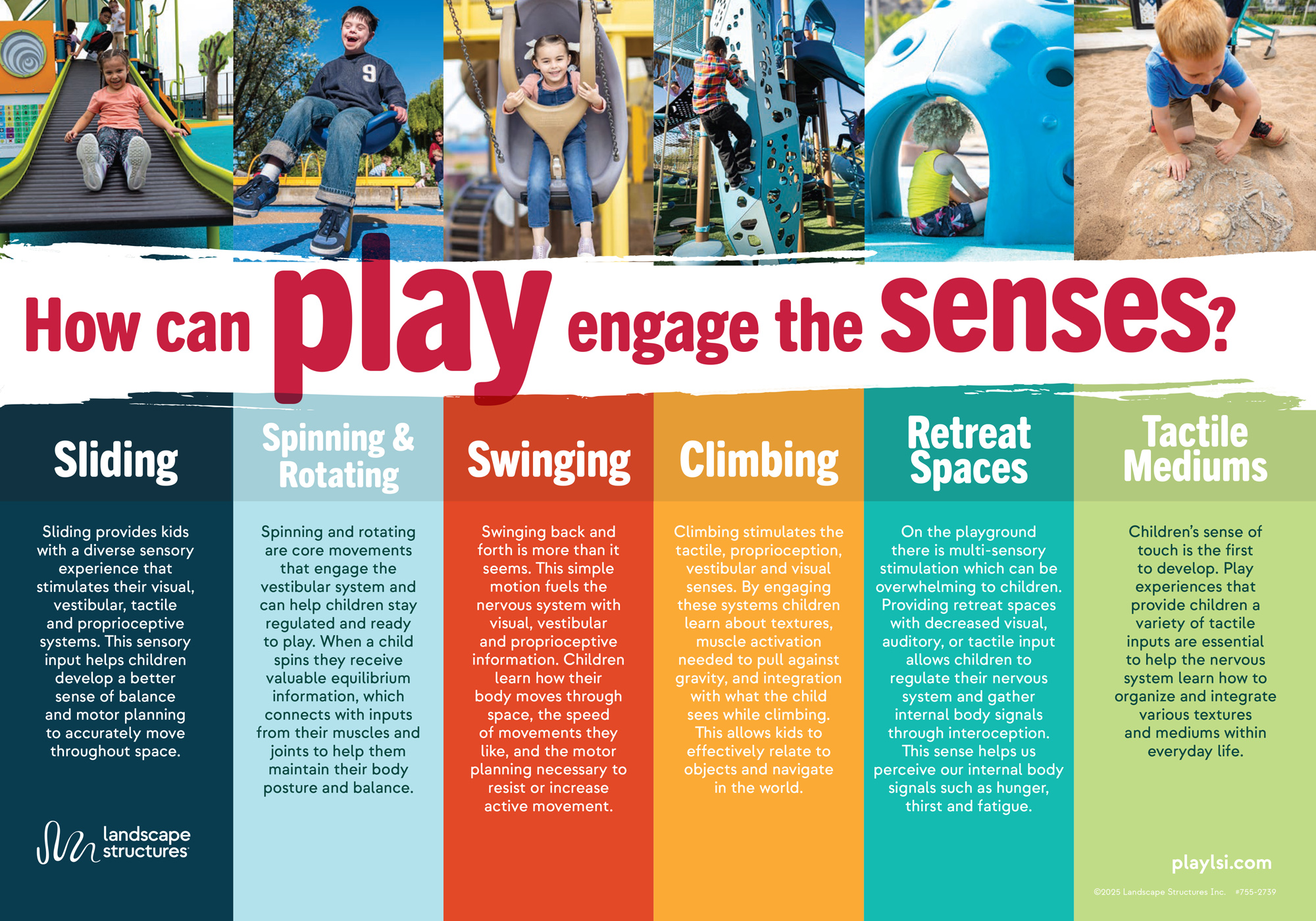
A thoughtfully designed playground should incorporate a diversity of sensory experiences—so that every child can find the input their body is seeking. Below are the key sensory systems we consider when creating inclusive, sensory-aware playgrounds.
 Motor Planning: Supporting the Brain-Body Connection
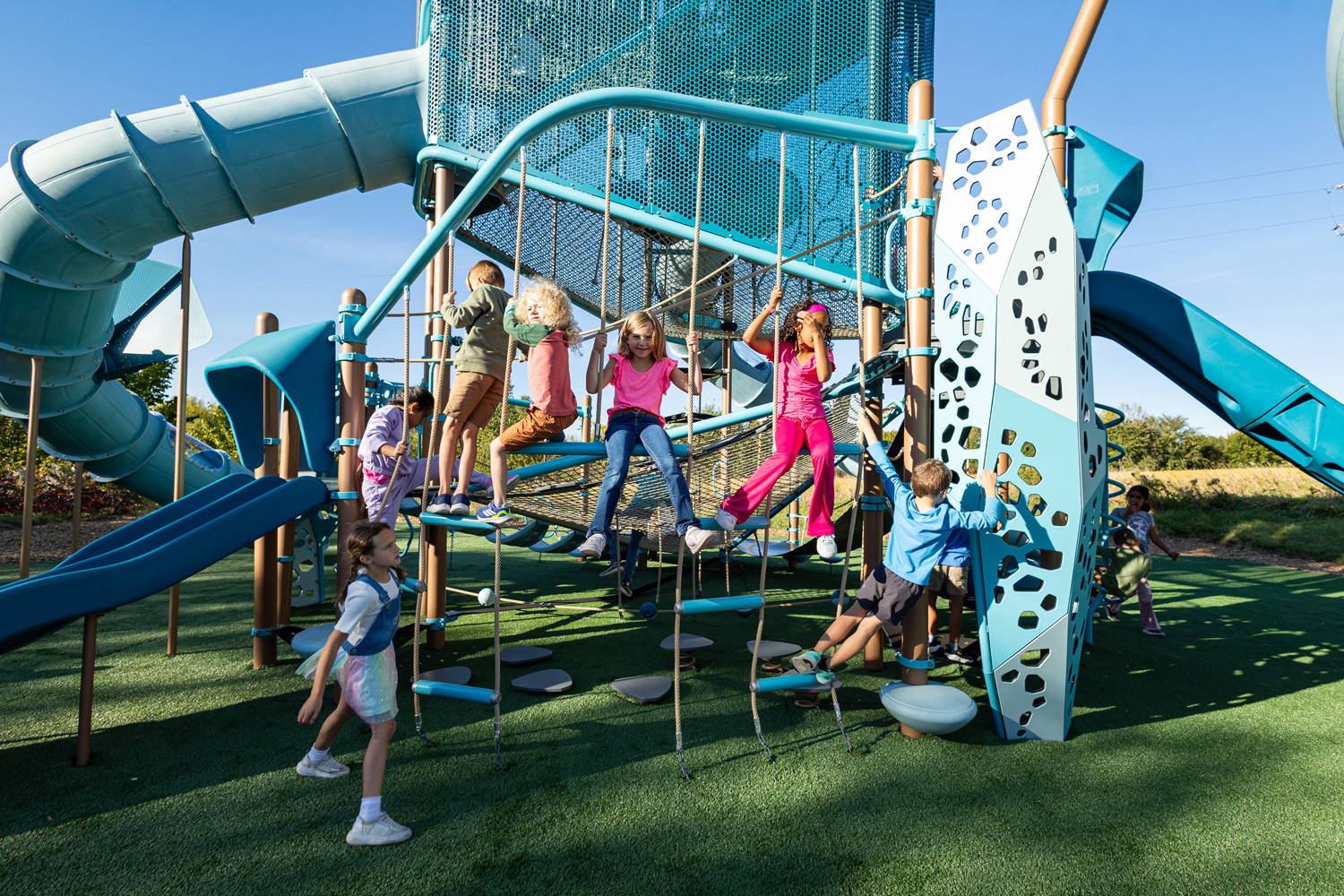
Children with dyspraxia—a subtype of Sensory Processing Disorder—often struggle with motor planning, the ability to conceive, plan, and execute new motor tasks. Designing playgrounds with varying levels of challenge, such as net climbers or belted structures, offers children chances to develop these skills in a playful, low-pressure setting.
Take, for example, a multifaceted play structure like Landscape Structures’ Volo™ Aire. This compact but component-rich play system allows kids to test different routes, adjust their bodies, and work on spatial awareness—all critical aspects of motor planning.
Tactile Input: Engaging Through Touch
Tactile play helps children explore texture, temperature, and pressure—important sensory inputs for development. From sandboxes and water elements to roller slides made with rotating steel rollers, playgrounds can be a rich source of tactile feedback.
I once met a father at a conference who described taking his daughter to a brand-new, visually intense playground. At first, she was hesitant—until she discovered a water feature near the entrance. She spent 15 to 20 minutes playing with it, regulating her body before venturing to the play equipment. That tactile input gave her the sensory grounding she needed.
Vestibular Input: Finding Balance Through Motion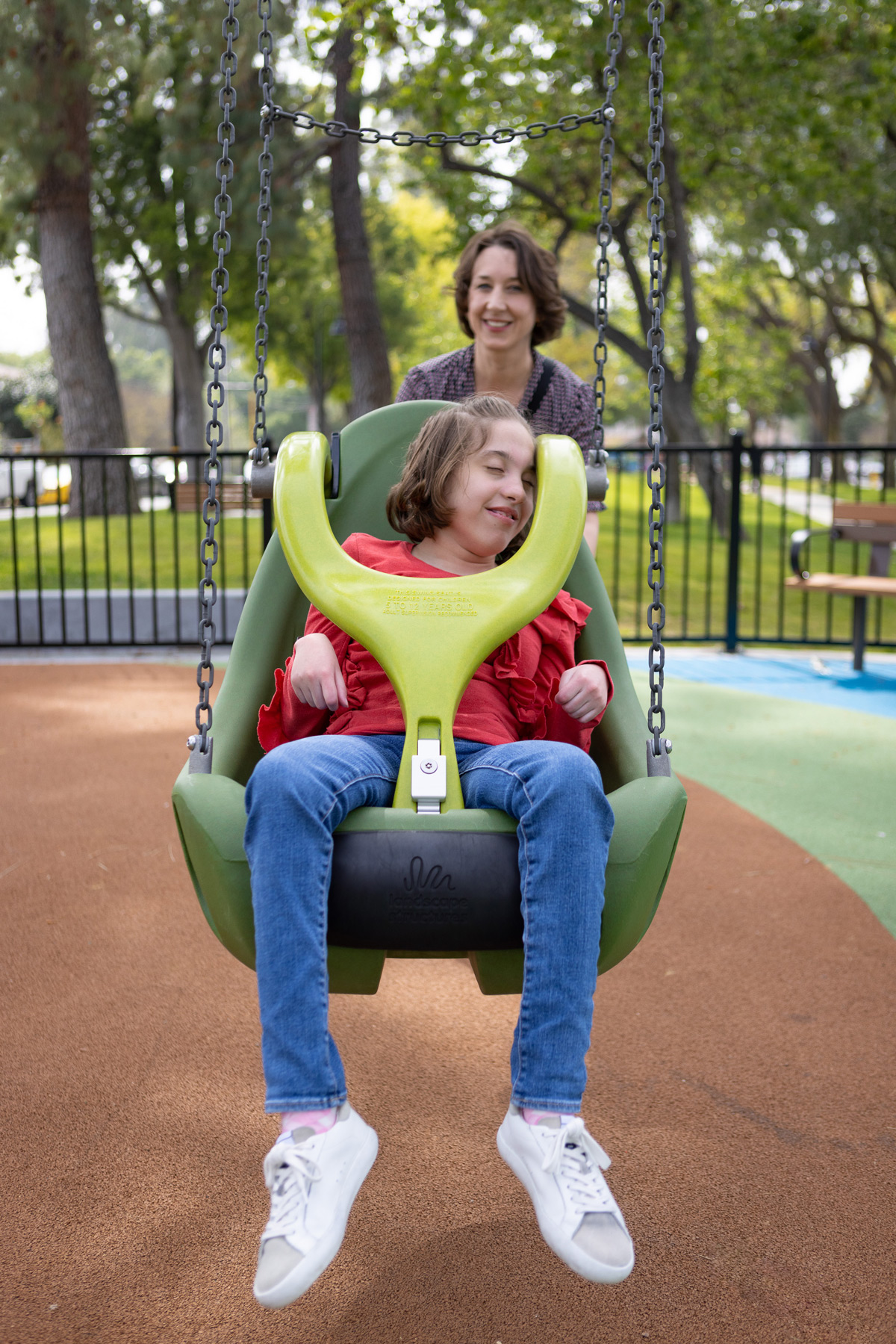
Swings are more than just fun—they stimulate the vestibular system, which helps us understand balance and spatial orientation. Swinging teaches children how their bodies move through space while also engaging muscles and coordination.
Offering a variety of swing options—like molded bucket seats for kids with lower postural control—creates access for more children. And placing swings on the outer edge of a play space reduces auditory and visual overload, supporting self-regulation. For many kids, this simple setup can make or break their playground experience.
Proprioception: Heavy Work, Big Benefits
The proprioceptive system tells us where our body parts are in space and how much force to use. Activities that involve pushing, pulling, or climbing give muscles and joints the input they need to develop strength and body awareness.
Playground elements like climbers of varying materials, types and orientations provide this kind of “heavy work” in a natural, motivating way. These movements also help calm and regulate the nervous system, an often-overlooked benefit of outdoor play.
Interoception: Recognizing Internal Signals
Interoception is the sense that helps us perceive internal cues like hunger, thirst, or needing a break. For children—especially those who are neurodivergent—overwhelming environments can disrupt this sense.
Providing retreat spaces like the Cozy Dome® or Fox Den Hangouts® gives kids a place to regulate without leaving the play area. These quiet zones offer reduced sensory input and empower children to recognize and respond to their internal needs in a safe, calming spot.
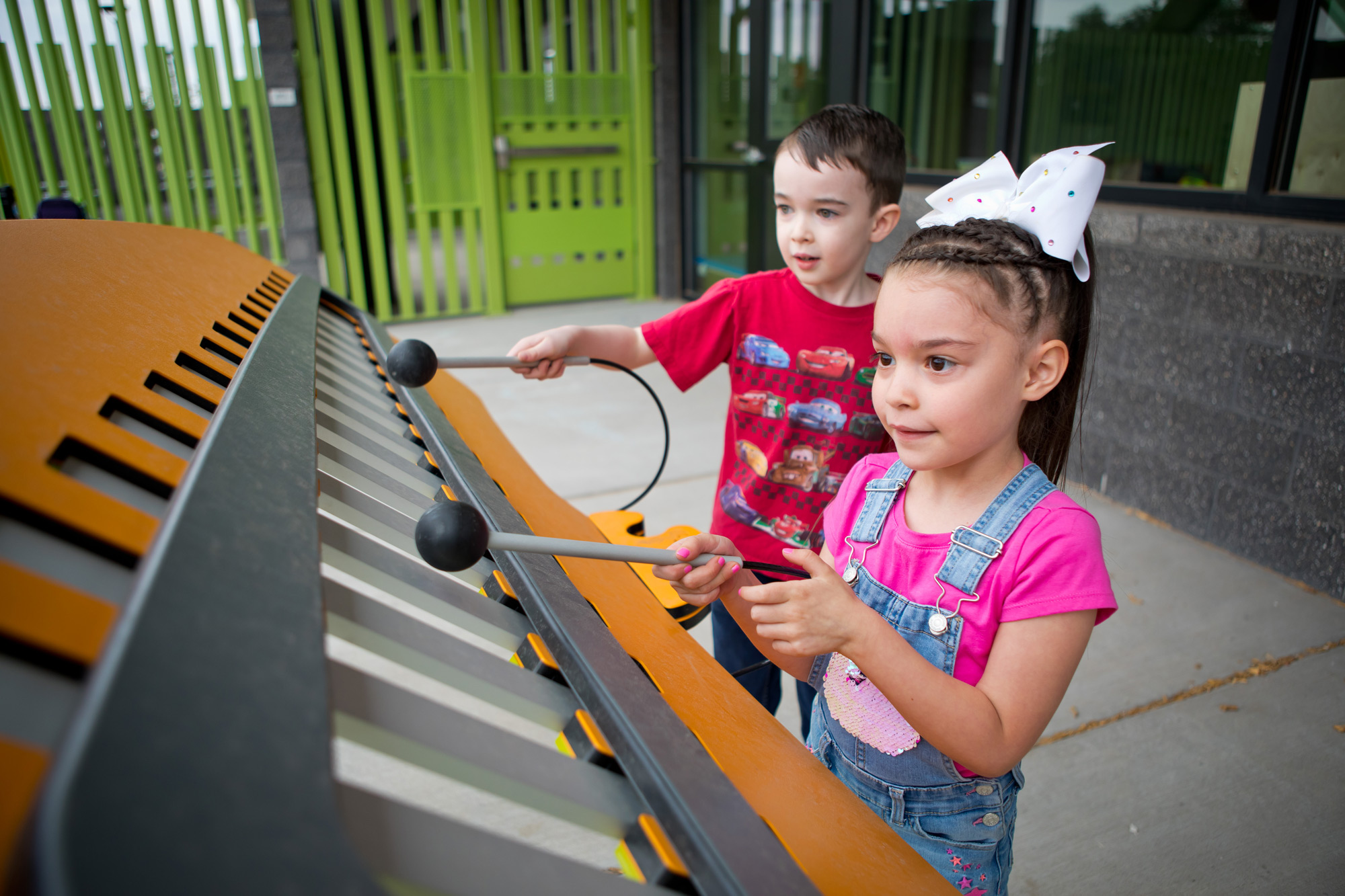 Auditory Input: Tuning In to Sound
While some children seek out auditory input, others may be easily overwhelmed by noise. Incorporating intentional sound elements—such as the Rhapsody® Outdoor Music Instrument Collection—can both enhance play and aid in transitions.
I once worked with a child who struggled to leave the playground after playtime. Transitions were tough. But once we began incorporating the music feature as a final “stop” before heading to the car, it became a calming ritual that helped him shift gears and self-regulate more easily.
Visual Stimulation: Seeing the World in Motion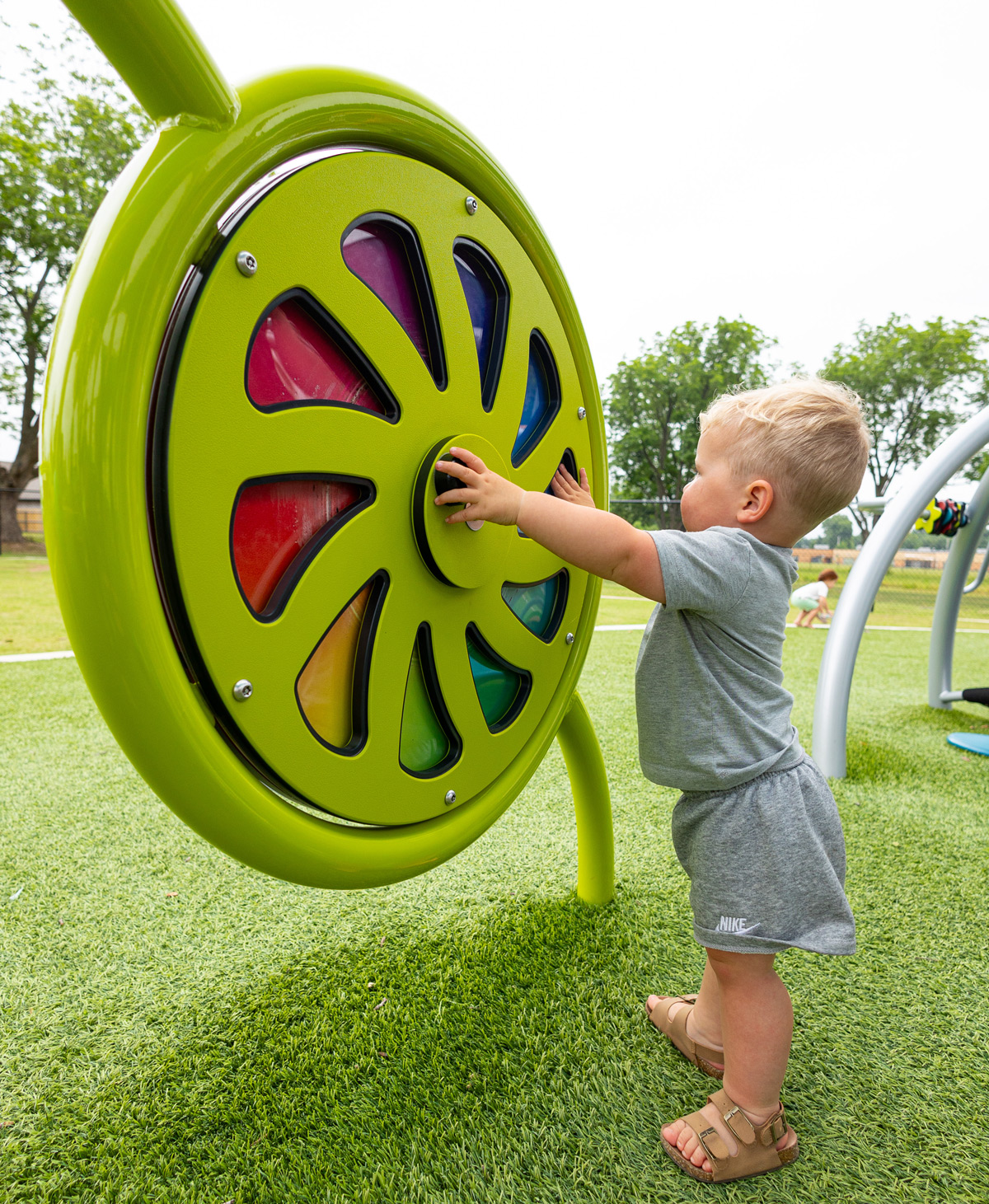
Visual exploration is another important component of play. Panels with spinning elements, mirrors, or color wheels offer dynamic, low-pressure opportunities to engage the visual system.
Visual sensory panels allow kids to manipulate marbles or spinning parts, creating patterns and motion that are both soothing and stimulating. These features are particularly helpful for children who benefit from visual predictability or who love to seek out cause-and-effect play.
Toward a Playful, Inclusive Future
Inclusive playgrounds aren’t just about ramps or wheelchair access—though those are crucial too. True inclusion means designing with every sense and every child in mind. It means recognizing that joy, regulation, and belonging happen when children can play in ways that support their unique brains and bodies.
My journey with Derek taught me early on that inclusion isn’t just a concept—it’s a commitment. A commitment to creating spaces where all kids can thrive. From backyard swings to fully immersive sensory play environments, I’ve seen firsthand the difference thoughtful design can make.
Now, as both a sister and an occupational therapist, I’m proud to contribute to this movement. And I’m hopeful that with continued advocacy, education, and innovation, we can create play environments that welcome everyone—just as they are.